
100 Miles Doesn't Break Your Body. It Breaks Who You Think You Are.
What stepping up to 100 miles actually demands, and how to find out if your training is preparing you for the moment that decides your race.
60 seconds. Six questions. Your free 100 Mile Guide.
The Question Nobody Asks Out Loud
"When it's 3am, you've been moving for 20 hours, everything hurts, and there's nobody watching. Will you keep going?"
Most 100-mile DNFs aren't one catastrophic failure. They're pacing, fuelling, fatigue, and decision-making problems that accumulate until continuing stops feeling possible.
Coaching Backed By The Miles
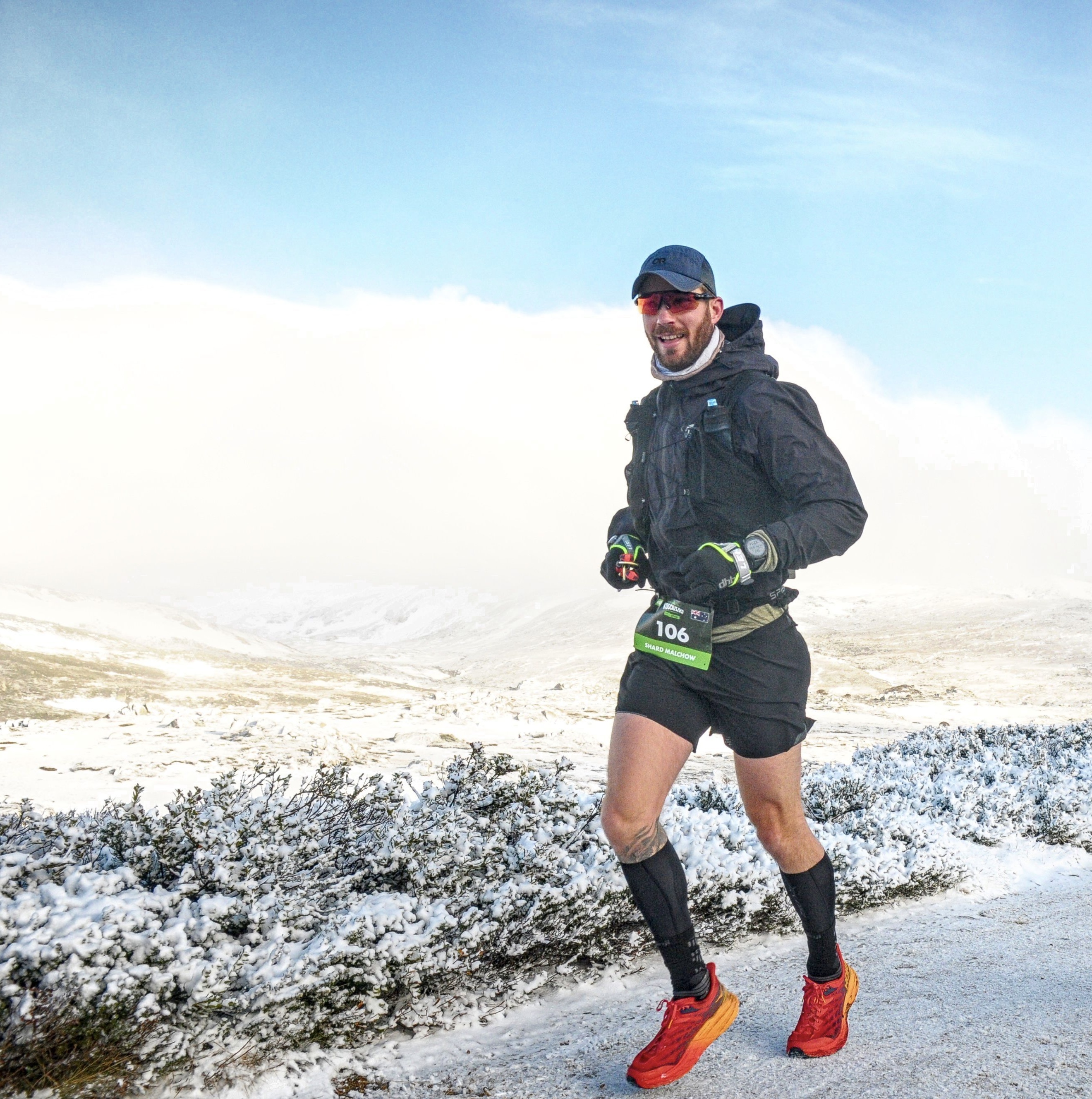
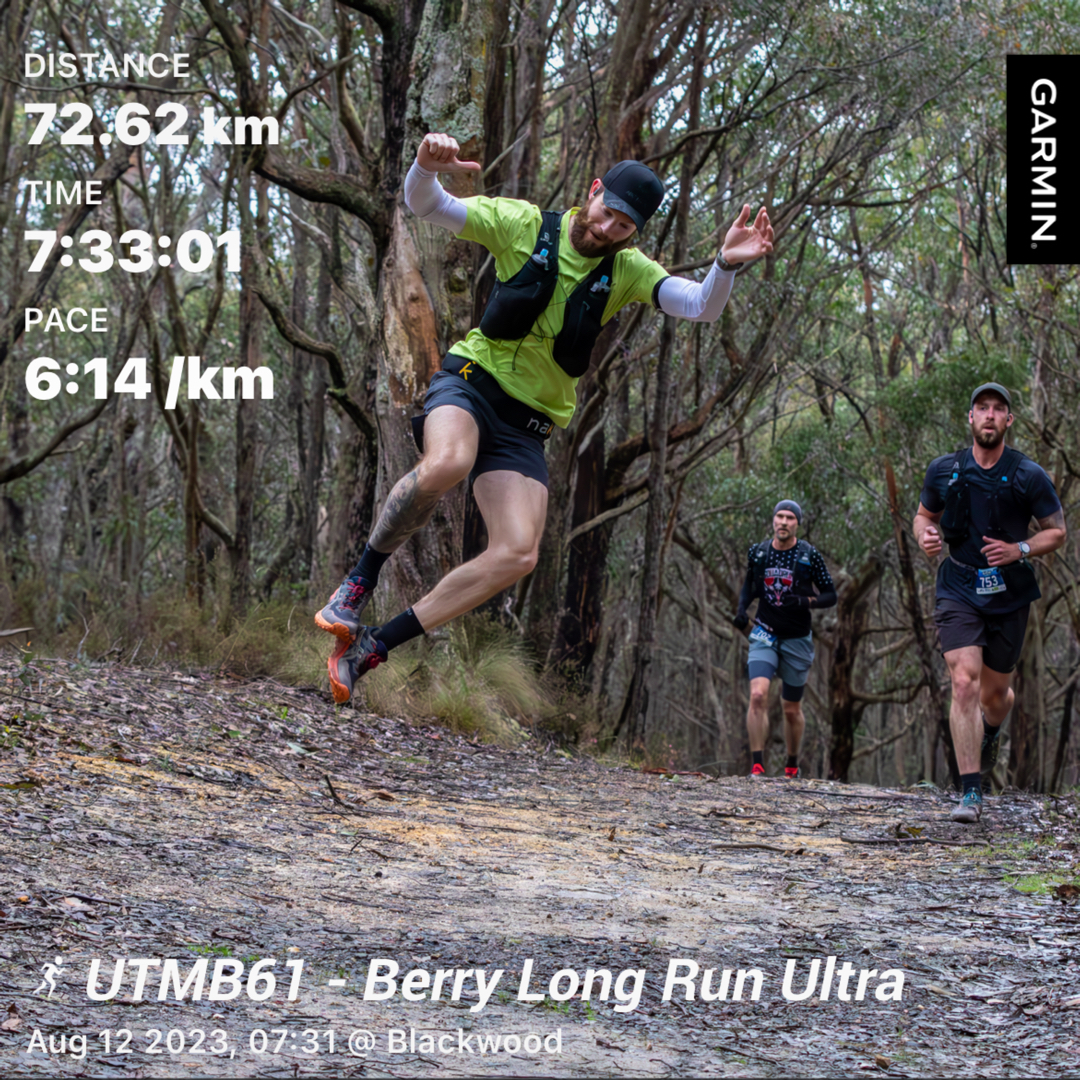
Shard Malchow is an ultra endurance coach with a military background, and he has raced the distances he coaches. UTMB Finisher. Marathon des Sables, 72nd. Cocodona 250, 59th.
Preparation, not toughness, is what gets you through the hard hours. That is the principle behind every athlete he coaches.
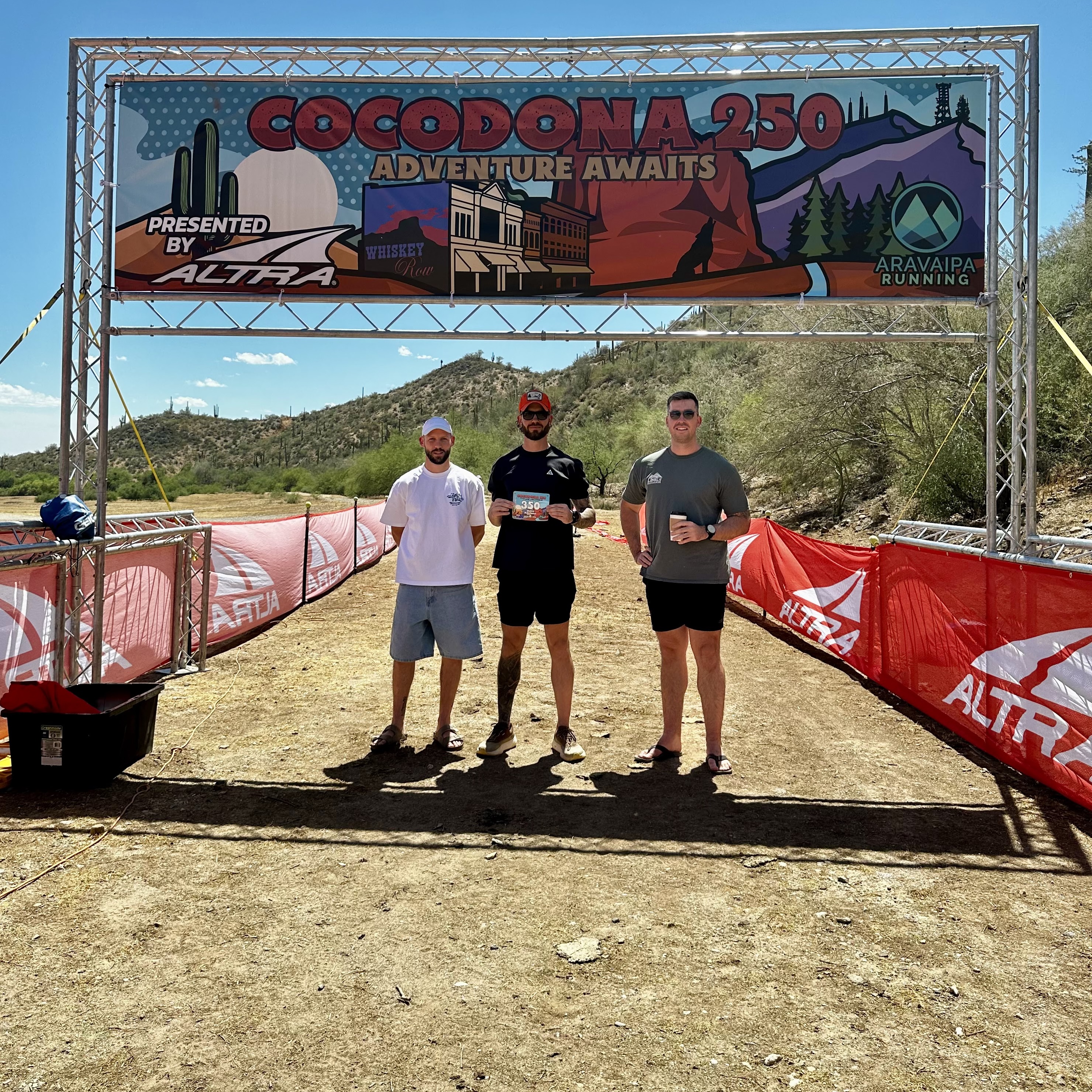
250 miles across Arizona desert and mountains with crew
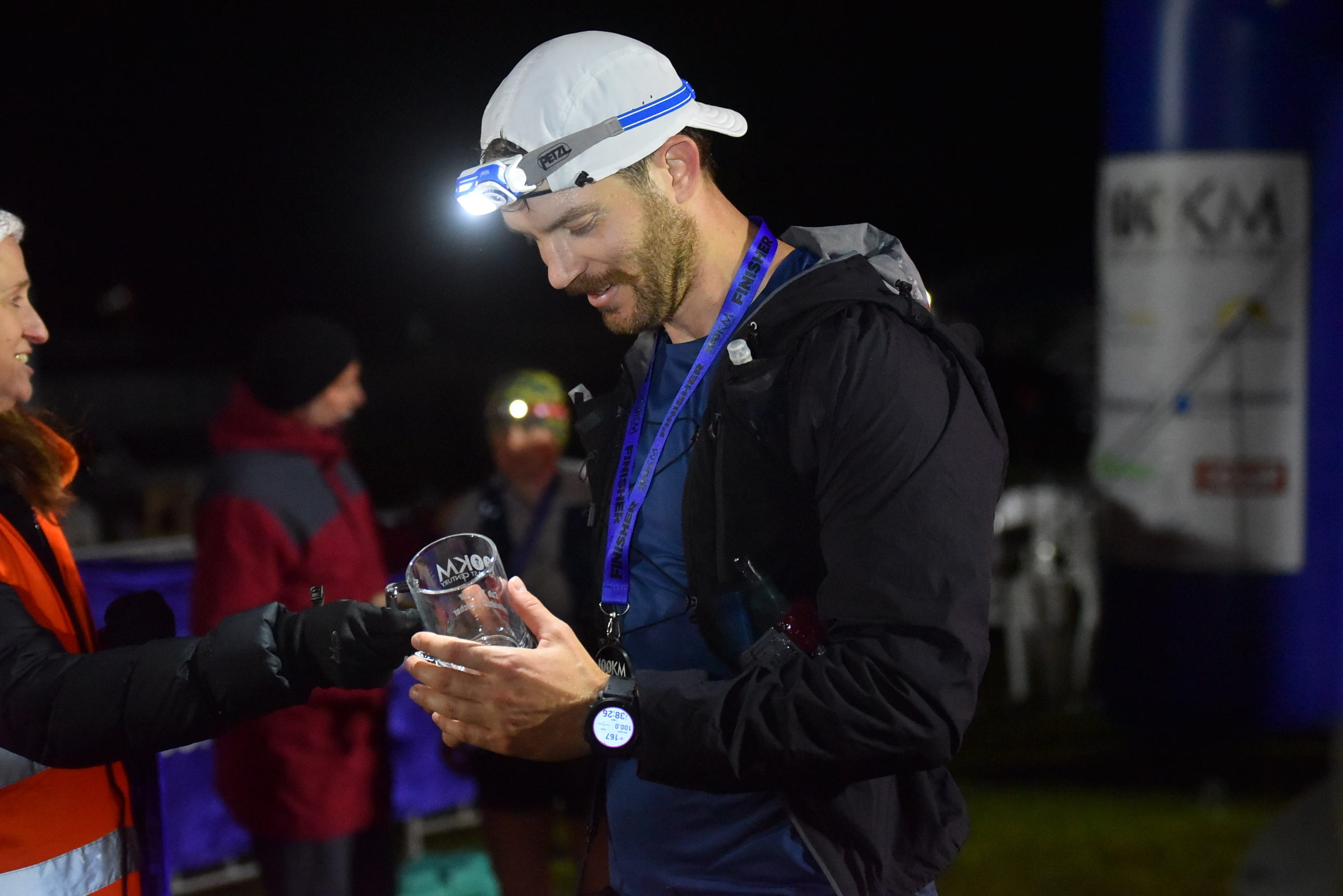
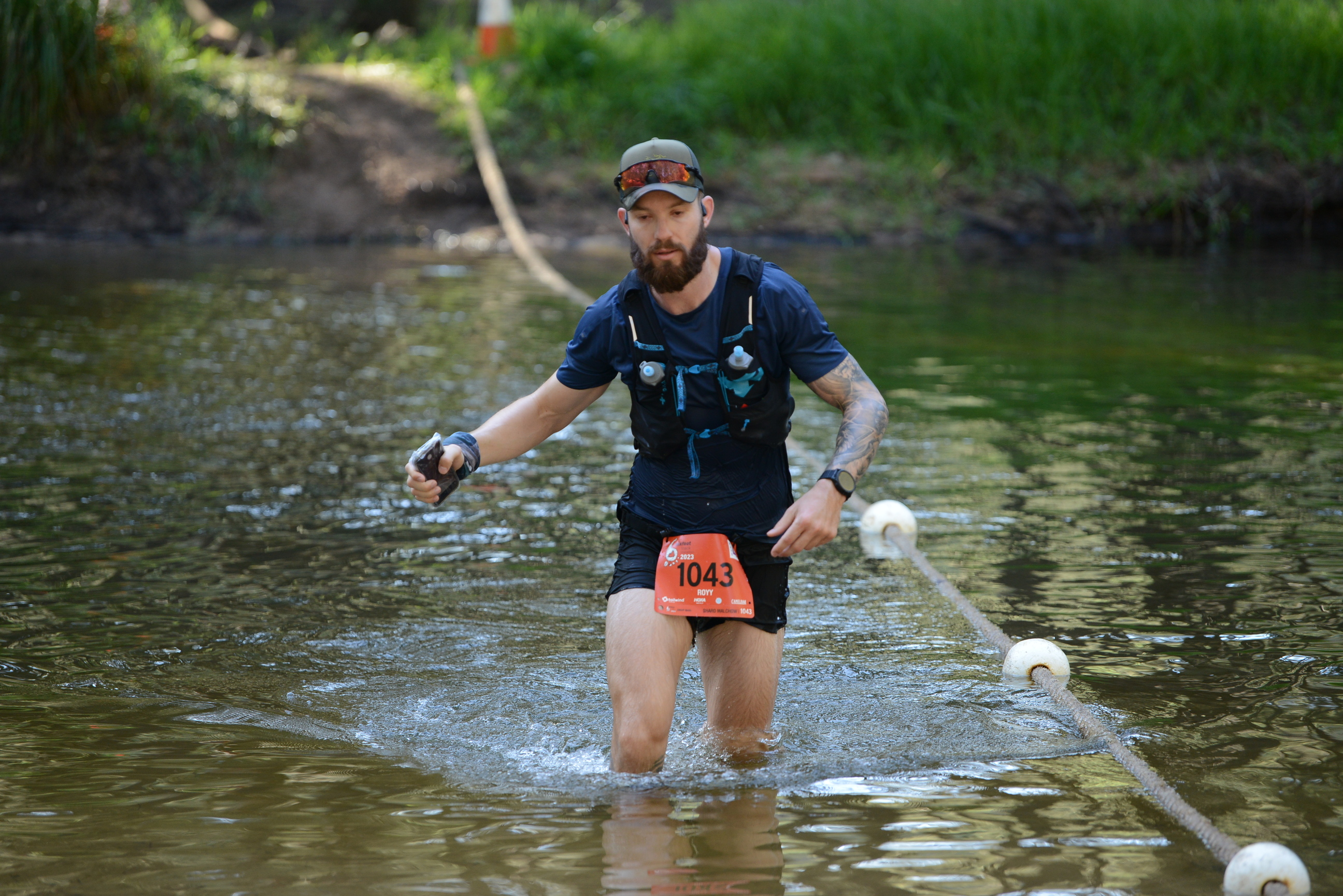
The Build Wasn't Clean. He Still Finished His First 100.
Jedd came in training for his first 100 miler. The build was not clean. Shin issues, disrupted running, ITB problems, training changes, and plenty of uncertainty along the way.
Coaching through that meant adapting around the problems instead of pretending they weren't there. Removing sessions when recovery deteriorated. Changing the plan when the original stopped serving its job. He still arrived capable of completing 162 kilometres.
The proof isn't just the finish. It's what coaching actually looks like when the build isn't perfect.
What most runners get wrong
Most 100-mile DNFs aren't one catastrophic failure. They're pacing, fuelling, fatigue, and decision-making problems that accumulate until continuing stops feeling possible.
The question is which one is actually your gap. That's what the quiz tells you.
Why 100-Mile Attempts End Early
Six recurring reasons runners pull out of a hundred miler. Most are not one catastrophic failure. They accumulate until continuing stops feeling possible.
Going out too hard
Pacing that catches up with you after halfway.
Unpractised nutrition
Fuelling you have never stress-tested over long miles.
No night strategy
The first dark mile should not be on race night.
Undertrained strength and durability
Force production drops as fatigue builds.
No crew or pacer briefing
Support that amplifies problems instead of solving them.
No plan for the mental negotiation point
The moment quitting starts to feel rational.
Most of this is preventable with the right preparation. The question is which one is actually your gap.
More Isn't Automatically Better
A lot of athletes don't lack motivation. They lack decision making. Stacking more training because more feels productive. Chasing mileage for the sake of mileage. Second guessing whether the volume is right. Not knowing when pushing through fatigue is the wrong call and backing off is the smart one.
Good coaching is the decision making sitting underneath the training. That's what the guide shows you.
Restraint over volume
I would rather prescribe the smallest training load that produces the required adaptation and have you arrive healthy than chase impressive weekly kilometres. Consistency beats hero weeks.
Adapt around the problems
Every important session has a job. If recovery deteriorates, we change the session rather than trying to repay missed kilometres later. The plan serves you, not the other way around.
Train to race, not to survive
Most ultra runners train to survive races. The objective here is to arrive prepared to actually race them. Fit enough to finish is the floor, not the goal.
What The Guide Covers
This isn't a generic training plan. It's the thinking behind how a 100-mile athlete actually gets built. The value is in the decisions, not the spreadsheet of workouts.
This is the same framework that sits underneath Shard's 1:1 coaching intake. It's yours free because the thinking is what makes most people realise how much more goes into this than they thought.
Normally part of the coaching onboarding. Here, it's the entry point.
Training phases and what each one actually develops
so you know what each block is for, not just what to run.
A sample training week with purpose behind every session
so no session is just filler.
The five things that blindside first-time 100-mile runners
so they don't blindside you on race day.
Crew, pacers and race execution
so your support solves problems instead of creating them.
Why 100-mile attempts end early, and what to do instead
so you address the real cause, not the symptom.
A 100-mile readiness audit and race blueprint worksheet
so you walk into race day with a plan, not just fitness.
Still Be A Runner At 200 Kilometres
On 20 November 2026, Shard lines up for Coast to Kosciuszko, a 241 kilometre ultra from the NSW coast to the summit of Mount Kosciuszko. Entry is by selection panel.
The central question behind the build is simple: still be a runner at 200 kilometres. How you structure high volume training, when you pull back, how you use strength, heat preparation, fuelling, race simulations, pacing, and how you respond when something goes wrong.
It's proof that he practices what he coaches, without making every piece of content about him. The build is happening now.
Race
Coast to Kosciuszko
Distance
241 km, coast to summit
Date
20 November 2026
Entry
Selection panel, invite only
Individualised, Not A Template With Occasional Messages
1:1 ultra running coaching at A$300 per month, with a minimum three month commitment. Programming delivered through TrainingPeaks and built around your race, your training history, your available time, your strengths, your weaknesses, and your life.
Individual run programming. Ultra specific strength work. Race strategy and pacing. Fuelling guidance. Regular feedback. Ongoing adjustments. Direct communication with Shard. Training changes when work, family, illness, injury or recovery demand it.
A limited intake, deliberately
Shard coaches a small roster so the work stays genuinely individualised. He is currently around seven athletes and will not go past fifteen under the current model. Exclusivity is a feature of the service, not a problem.
If you're thinking about 1:1 coaching, the guide is the honest place to start. It shows you how he thinks. If it resonates, the conversation about coaching is an easy one.
The Questions You're Already Asking
Will the coaching actually be individualised, or am I paying for a template?
Programming is built around your race, history, time, strengths, weaknesses and life constraints. Training is changed when work, family, illness, injury or recovery demand it. If you want a generic plan, that's not this.
Am I fast or serious enough to justify a coach?
You don't need to be elite. The ideal athlete trains 40 to 100 plus kilometres per week with a 50K, 100K, 100 mile or longer race on the calendar, and wants more than a finish line plan. Often the thing they need most is restraint and structure, not more volume.
What will a coach see or change that I couldn't do myself?
The decision making. Adjusting training around injury, deciding when not to chase volume, preparing you for the final third of a 100 miler, race execution, fuelling, and managing you as an individual. Those are much harder to commoditise than a weekly schedule.
Is A$300 a month worth it?
For some it's a meaningful ongoing expense. The question is whether there's a genuine difference between coaching and buying a plan. The guide exists so you can see how he thinks before that conversation ever has to happen.
Find Your Biggest Limiter Before Race Day Does
Six quick questions. One personalised result. Your free copy of the 100 Mile Guide, the same framework that sits underneath Shard's 1:1 coaching.
Free. Instant download. No spam, one click unsubscribe.